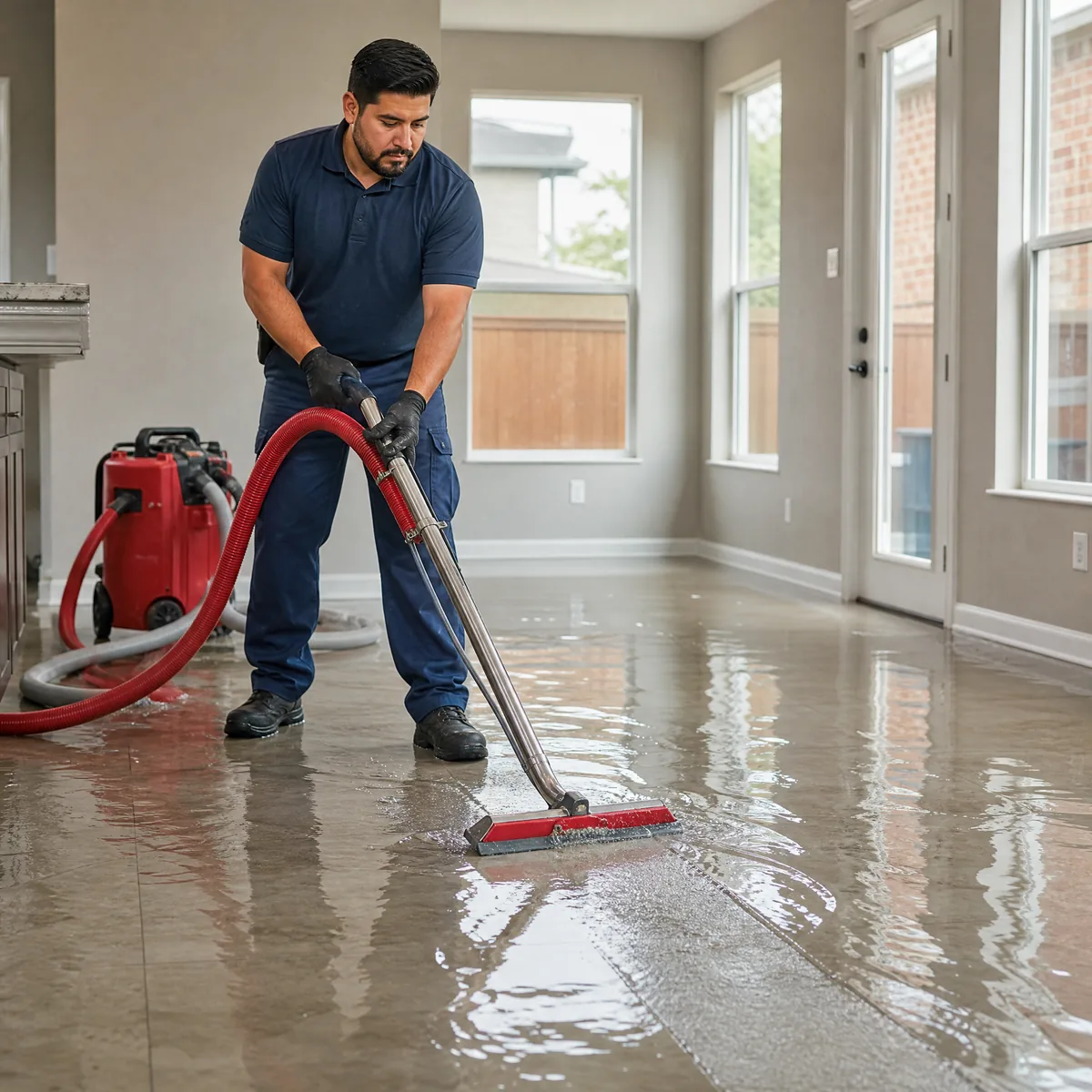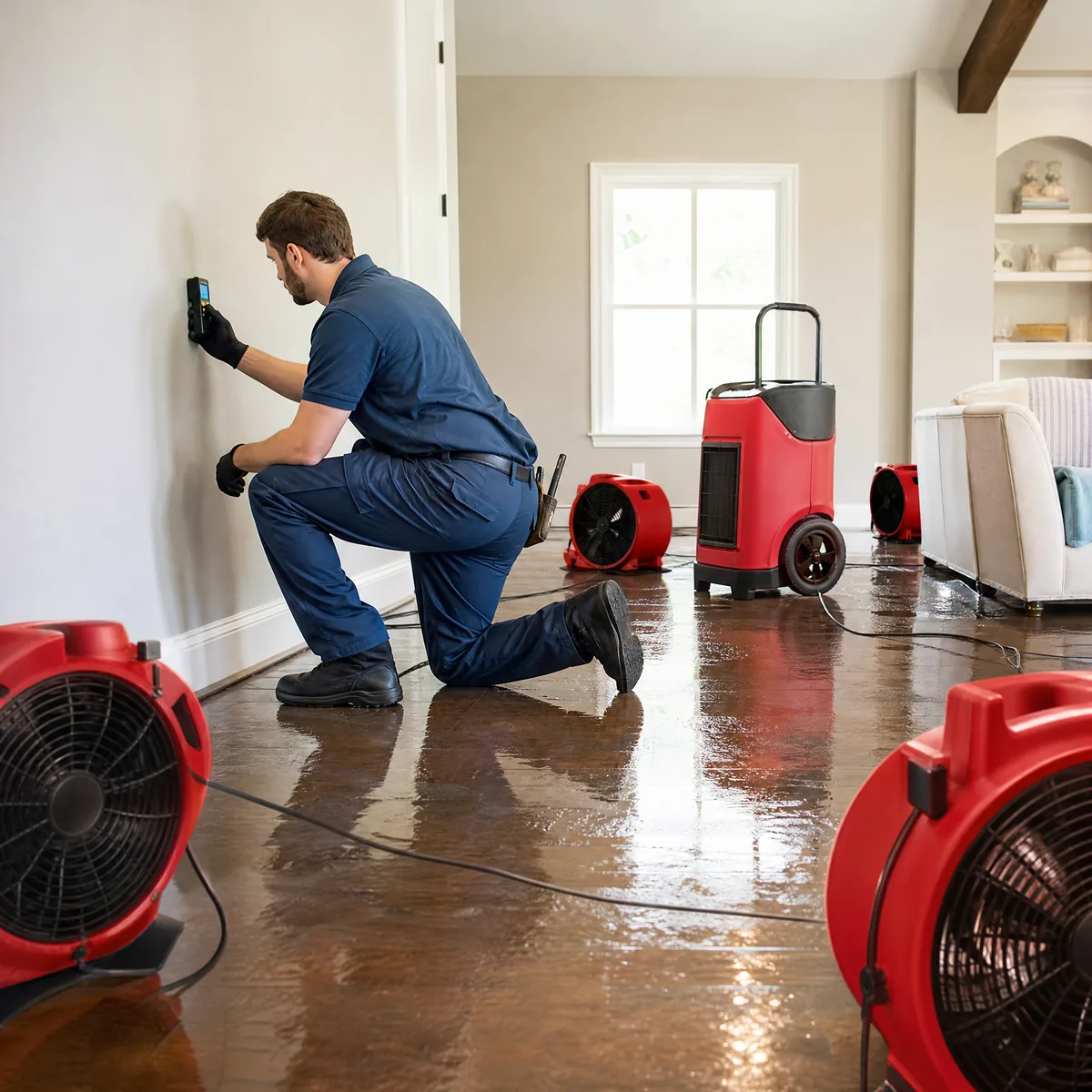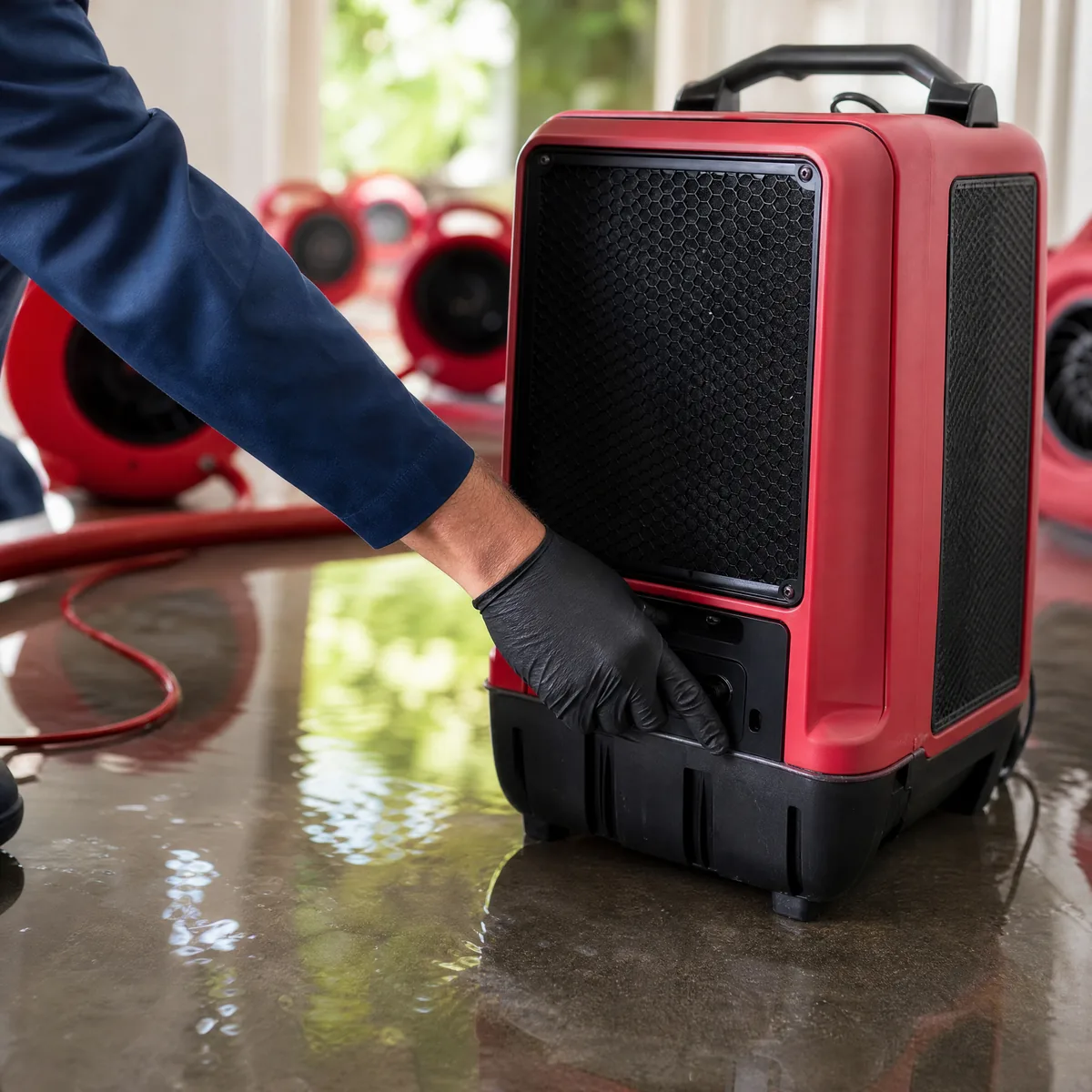
Water below the house needs a careful assessment
A crawl space can collect water from plumbing, drainage, or another entry path. The effects may involve soil, insulation, framing, ducts, and materials around the access opening. Do not enter a flooded or unsafe crawl space to determine the source or depth.
Call from a safe location and explain what you have observed at the Renton property. Mention the normal access point and whether water is still accumulating. Independent providers can discuss assessment, removal, and the additional trades needed for the cause.
Do not enter just to confirm the depth
Crawl spaces can have limited clearance, difficult footing, electrical components, contaminated water, and uncertain air conditions. Do not crawl into a wet space to take measurements or collect photographs. Use the observations already available from a safe location or a qualified professional's report.
Tell the provider about access restrictions, damaged entry points, or utilities identified by another contractor. Work beneath the home may require specialist procedures and equipment. A provider should confirm suitability for the actual conditions rather than treat every low-clearance area as an ordinary room awaiting a portable pump.
After rain, keep removal and source correction connected
For a Renton property that becomes wet below the floor during rainy periods, explain whether the problem is recurring and whether drainage or plumbing has been inspected. Do not assume groundwater, a broken pipe, or sewer contamination without an appropriate investigation.
Ask how the proposal addresses affected insulation, framing, debris, and the condition left behind after removal. If the source continues, a drainage or plumbing repair may be needed alongside restoration. A dry-looking access opening is not a check of the entire space.
Identify whether the source is plumbing or outside water
A supply leak, waste-line problem, and rainwater entry can create different conditions below the building. Ask the appropriate professional to identify and correct the source. A restoration contractor addresses the agreed resulting damage and cleanup; it does not automatically include plumbing repairs, drainage improvements, or foundation work.
If water appeared after rain, share where it was observed and any history of recurrence. If a plumber found the loss, retain their findings. The same visible pool can have different implications depending on the source and materials contacted, so describe what is known without choosing a diagnosis from appearance alone.
Wastewater beneath the house changes the work
A leaking waste pipe can introduce contamination to material that is difficult to access or remove. Pumping the liquid alone may leave affected soil, insulation, debris, or other components needing attention. The provider must understand the source before explaining what is suitable to retain or how the cleanup should proceed.
Avoid moving affected material yourself or running ordinary fans through the space as a substitute for an assessment. Review sewage cleanup when wastewater is involved. The work plan should explain contamination handling, removal, cleaning, and any remaining evaluation needed beneath the building.
Assess the underside of the occupied floor
The framing, subfloor, and insulation above the water may need consideration, especially if moisture has persisted or a pipe has sprayed directly onto them. A dry-looking surface upstairs does not establish the condition of the lower assembly. Conversely, not every item below the house necessarily needs replacement.
Ask what is actually wet or damaged, how that condition was identified, and which materials the provider proposes to treat or remove. Documenting those findings helps separate necessary recovery from unrelated upgrades. For visible growth, discuss an appropriate mold-related evaluation instead of assuming that more drying alone answers every concern.
Keep water removal, drying, and improvements distinct
The current cleanup may involve accessible-water removal, handling of affected material, cleaning where appropriate, and drying of remaining components. A sump installation, drainage correction, vapor-control system, or encapsulation project serves a different purpose and may require another scope or trade.
Ask which tasks are intended to address the present loss and which are proposed to reduce future moisture. Request an explanation of the condition each improvement is meant to solve. A broad upgrade proposal should not obscure whether the immediate contamination or wet material has been evaluated and addressed.
Plan access through the property
An exterior hatch and an interior access panel can require different equipment routes and protection for occupied rooms. Give the provider the exact address, entrance, known clearance, and any restrictions reported by another contractor. The access details can affect both capability and scheduling.
In a managed Renton property, arrange approval for the relevant shared or exterior areas. If the loss extends below more than one unit, management may need to coordinate findings and repairs across the affected assembly. Do not assume that access permission from one occupant authorizes work throughout the entire structure.
Ask what completion will establish
The provider should explain what will be removed or treated, how remaining moisture will be evaluated, and what records will be available. Keep photographs or reports from the professionals performing the work, particularly when the finished area is difficult for you to inspect personally.
Retain source-repair information with the cleanup records. If recurrence occurs, the history helps the relevant trade investigate what remains unresolved. Call (866) 552-5141 for crawl-space water-removal help in Renton and confirm that the independent provider can address the actual access and contamination conditions before arranging service.
Crawl-space water removal: common questions
Is crawl-space water removal the same as basement cleanup?
Will pumping alone get rid of a sewage problem?
Does this include crawl-space encapsulation?
Should I inspect the crawl space before calling?
Help for your Renton address
See the Renton and nearby area guides for access details. Call with the full address to confirm provider coverage and current availability.