Stop the release safely, then follow the water
A failed supply line can send water under cabinets, along a hallway, and into the ceiling below before the repair begins. If a familiar shutoff is accessible from a safe, dry location, stopping the supply can limit continued entry. Stay away from wet electrical equipment and unsafe rooms.
Call to describe the Renton property, the affected levels, and whether a plumber has stopped the source. Plumbing repair and restoration are different tasks. The water already inside the building still needs assessment, extraction, and appropriate drying.
Make the source safe without entering a hazard
Use a water shutoff only if you know how to operate it and can reach it from a safe, dry location. Do not cross standing water to reach electrical equipment or a valve. Keep people away from sagging ceilings, wet outlets, and damaged fixtures. Immediate danger calls for emergency services or the relevant utility.
The plumber should determine how the line is isolated, repaired, and returned to service. Avoid restarting the supply as a test while concealed areas remain inaccessible or another contractor is working around the break. Source control and restoration should be coordinated so one visit does not create another flood.
After a Renton cold-weather leak or supply-line failure
Tell the provider if the break occurred near an exterior wall, inside a garage, or below a floor. Do not assume that a leak during cold weather proves a frozen pipe; let the plumber establish the cause. Keep any repair information for the restoration assessment and your own records.
When water traveled between floors, arrange access to the room below as well as the repaired pipe. A townhouse or managed property may need more than one occupant or contact involved before the full path can be inspected.
Pressure and location influence the spread
A failed connection can send water into a concealed space before it reaches the open room. A pipe above the ceiling may affect both the ceiling assembly and flooring beneath it. A line beneath or beside cabinetry can wet surfaces that are not visible until access is created.
Provide an approximate discovery time and any indication that the leak ran while the property was unattended. Note nearby stains, floor changes, or damp trim without assuming they mark the full edge of the loss. The contractor can use those observations to decide which adjoining areas require closer inspection.
Understand the extraction and drying sequence
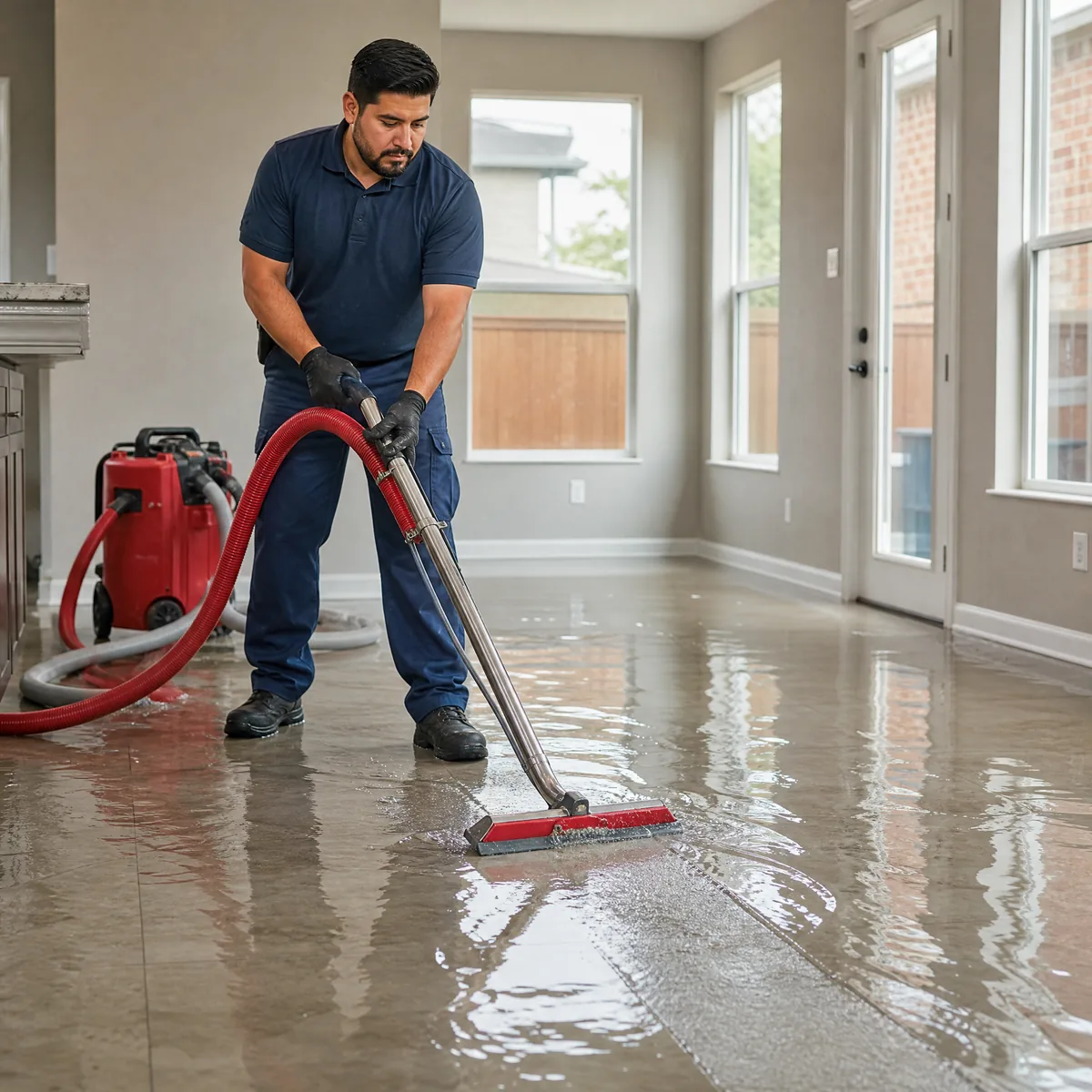
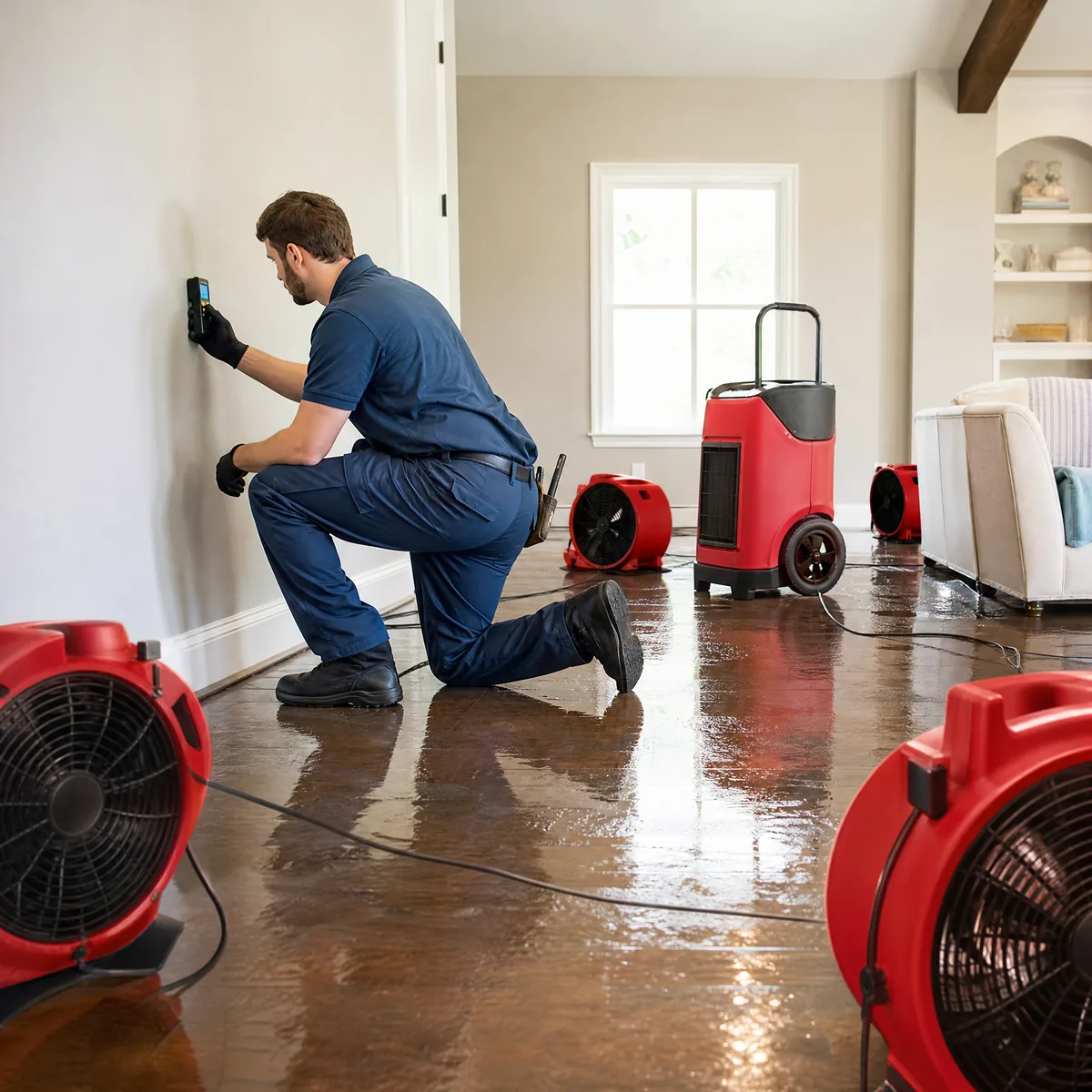
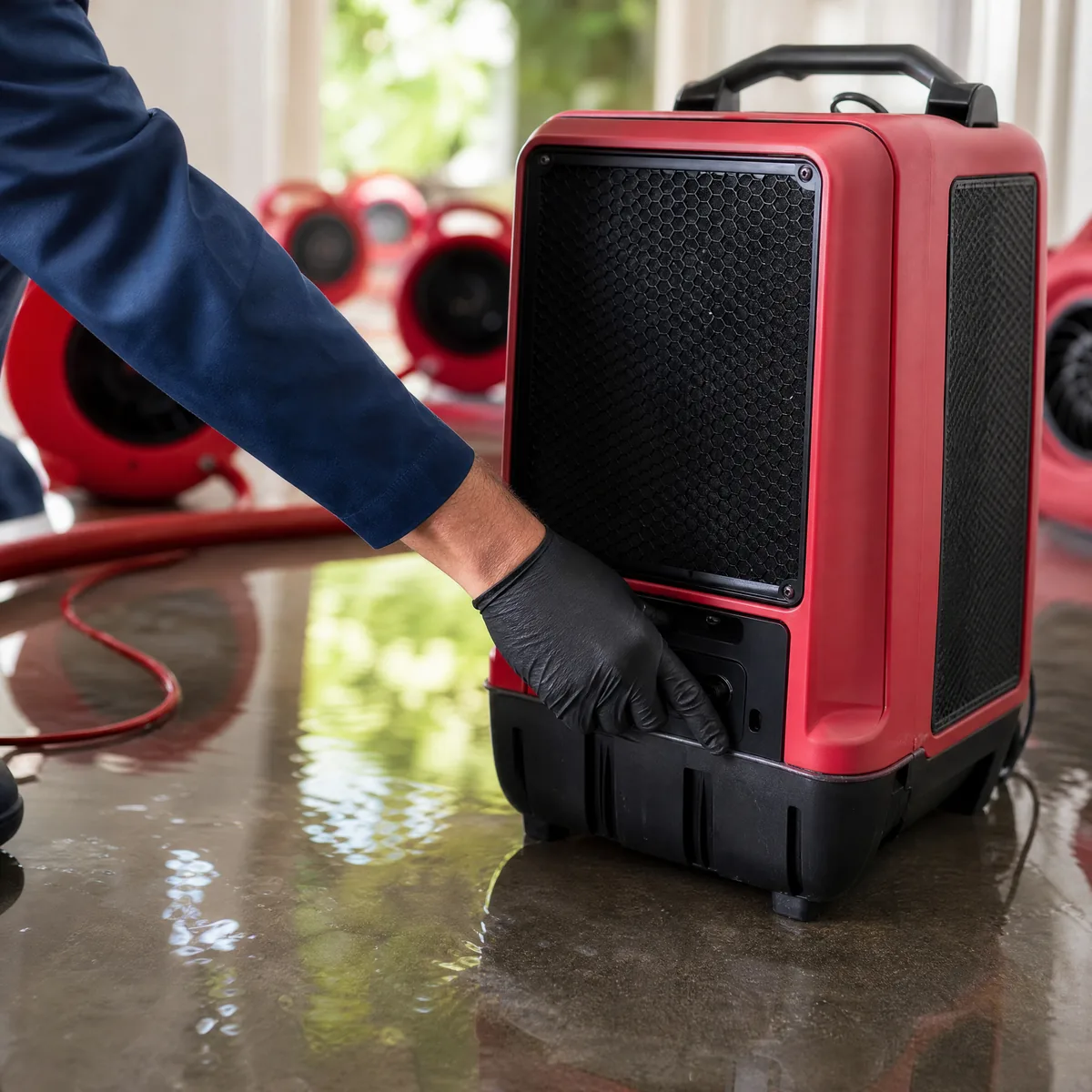
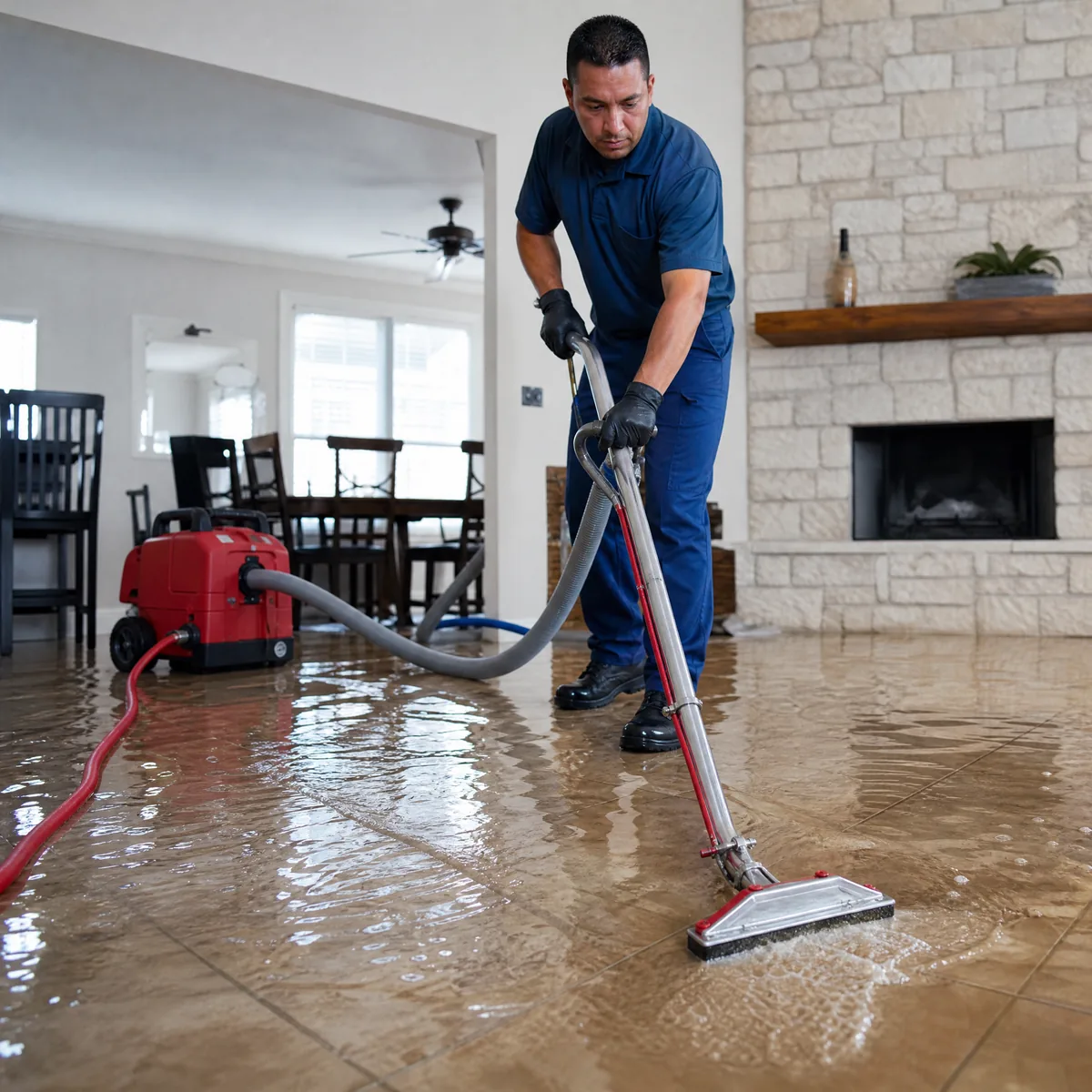
Accessible standing water may need extraction before the remaining material condition can be evaluated fully. The crew can then consider cleaning, removal of unsuitable components, and a drying setup for the material that remains. Different floor coverings and wall assemblies may need different access.
Ask which work is urgent mitigation and which belongs to reconstruction. A cleanup contract may not include the pipe itself, painting, cabinet repairs, or new flooring. Having those boundaries explained early makes it easier to coordinate the trades and understand the full path back to a usable room.
Look below and beyond the original room
In a Renton townhouse or apartment, an upper-level leak can affect a ceiling below, a shared wall, or another unit. The first visible damage may appear away from the source. Notify the appropriate owner, property manager, or association contact when access to connected areas may be needed.
For a house, include closets, utility spaces, and the floor along the path of the water in the description. If the source is below a concrete slab, see slab-leak cleanup. The diagnosis and access needed for a concealed line are different from a visible break above the floor.
Decide what can stay with evidence from the material
Wet does not automatically mean everything must be discarded, but a promise to save every finish is not a sound starting point either. The water source, time wet, material condition, and practical access influence the options. Ask the contractor to explain retention or removal for the actual floor, cabinet, or wall involved.
If drying in place is proposed, clarify how progress will be measured. If material must be removed, identify who authorizes disposal and who replaces it later. Older finishes may need additional evaluation before disturbance. Keep those decisions connected to the inspection rather than relying on a standard demolition allowance.
Separate the source bill from the damage records
Keep the plumber's findings and repair invoice, photographs of affected rooms, the restoration scope, and any drying records provided. If a contractor discovers more damage after opening an area, ask for a clear explanation of what changed. Good records help the next trade avoid repeating investigations that have already been completed.
Discuss insurance with your insurer using the actual source and circumstances. A cleanup provider can document the damage and work but cannot guarantee coverage or determine responsibility between owners and tenants. The records should describe the event accurately without turning an estimate into a promise about reimbursement.
Get help with the water left after a pipe failure
Call (866) 552-5141 for burst-pipe cleanup help in Renton. Include the full address, affected floor, current source status, and any access restrictions. The independent provider can discuss an assessment and confirm the current arrival window.
If another crew has already removed the standing water, explain what remains unresolved. Structural drying may still be needed before repairs are finished. For water affecting more than one unit, review the apartment and condo guide and coordinate through the relevant building contact.
Burst pipe cleanup: common questions
Should I call restoration before or after the plumber?
The floor feels dry now. Could there still be a problem?
Can a leak affect the room next door without a visible puddle?
What should be in the final handoff?
Help for your Renton address
See the Renton and nearby area guides for access details. Call with the full address to confirm provider coverage and current availability.